An AI-ready facility is not a larger version of a conventional data center. It demands a delivery model that coordinates power, cooling, phasing, resilience, controls, and long-term expansion from the very first decisions — because by the time the design is fixed, most of those choices have already been made for you.
AI and high-performance computing have changed the scale and pace of data center delivery. Rack densities that once drew a few kilowatts now draw tens or even hundreds, and the infrastructure behind them must deliver power, remove heat, and expand at a rate conventional facilities were never designed for. For owners and developers, the question is no longer whether the technology can be built, but whether the program around it can keep up. At Decima, we see the same pattern across complex capital programs: the decisions that matter most are made early, they are tightly connected, and their consequences surface late. A choice about utility strategy shapes the cooling approach; the cooling approach shapes phasing; phasing drives procurement, cost, and the date capacity reaches the business. When governance, project management, and performance assurance operate as separate functions, those connections are easy to miss. When they share one structure, leaders can see the trade-offs clearly and act on them in time. This article draws on that experience to examine four areas where integrated delivery makes the greatest difference: power preparedness, thermal management, coordinated phasing, and performance assurance. Together they form the blueprint for planning and delivering AI-ready infrastructure with confidence.
Power preparedness becomes a program decision
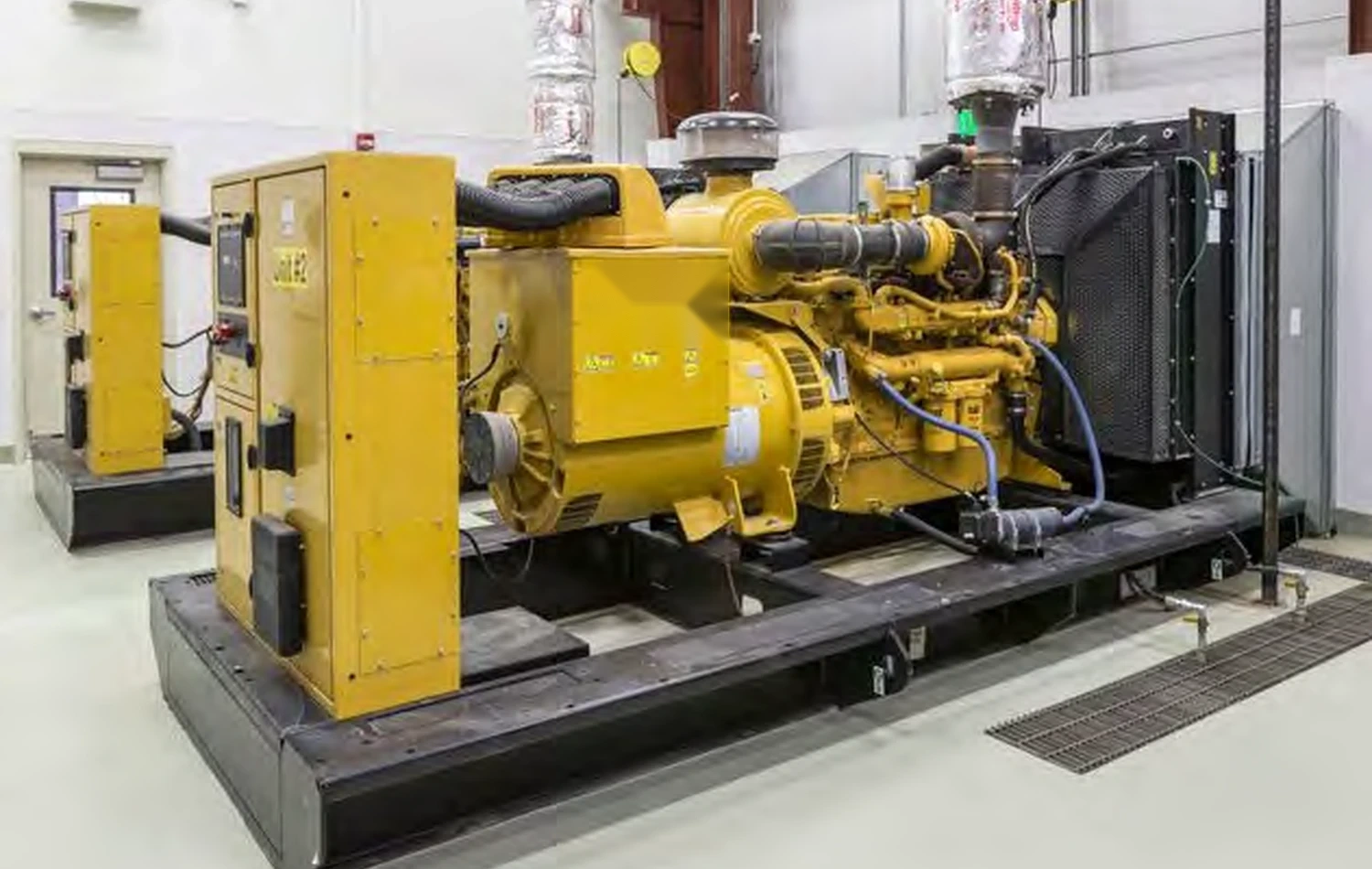
High-performance computing workloads place exceptional demands on power capacity, reliability, and expansion planning. Early choices about utility strategy, central plant configuration, redundancy levels, and phased energization set the schedule, the capital profile, and the operating model for the life of the campus.
These are not engineering decisions that governance reviews afterwards. Program governance is what connects them to investment priorities, permitting strategy, procurement lead times, and the sequence in which capacity actually has to become available to the business.
Thermal management has to be planned as infrastructure
Extreme rack densities change what cooling is. Liquid cooling and other advanced thermal systems affect space planning, mechanical and electrical interfaces, controls integration, commissioning, operations, and risk exposure. Treating them as isolated equipment packages is the most common and most expensive mistake on an AI-ready build.
First-of-kind thermal technology also calls for disciplined testing, configuration control, and clear decision gates, so what is learned on an early deployment can be incorporated before the approach is repeated across a fleet.
Scalability depends on coordinated phasing
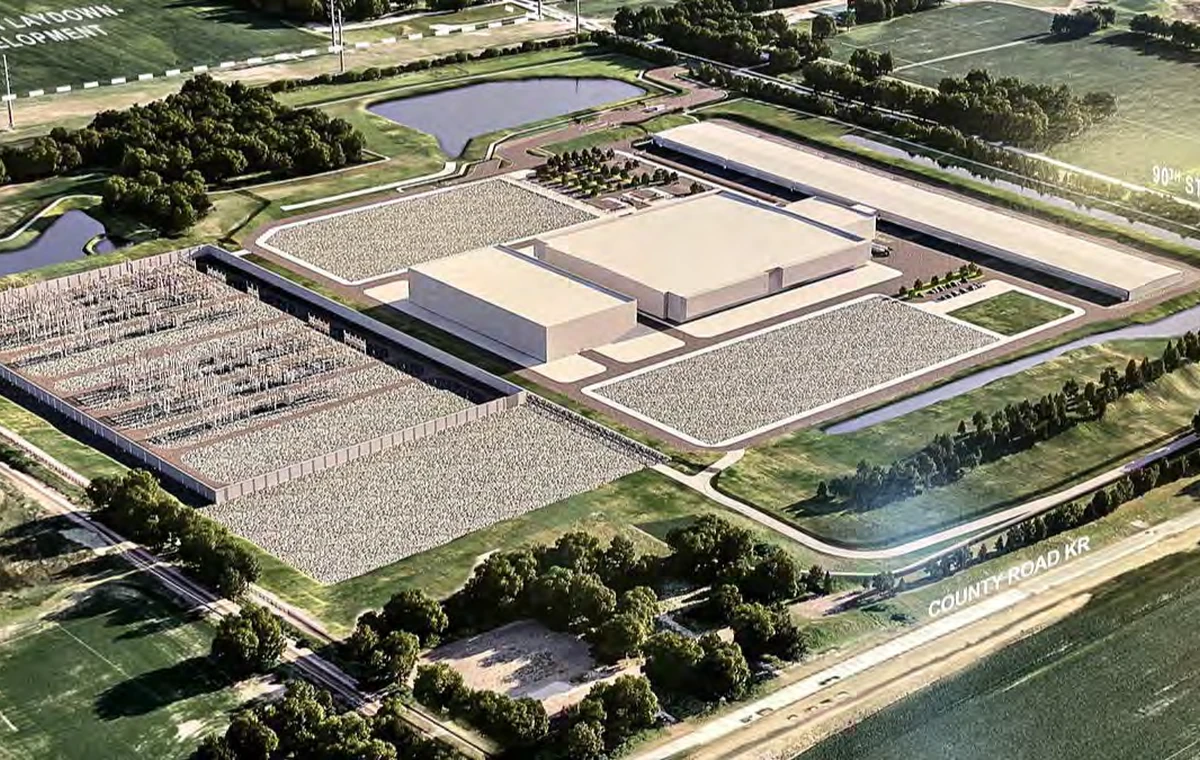
Large campuses combine multiple data center buildings, administrative facilities, central utilities, and supporting infrastructure. A scalable master plan has to protect future expansion while letting the current phase proceed at full speed — two objectives that pull against each other unless the phasing logic is explicit.
Integrated schedules, cost forecasts, risk registers, and change control give every team a shared view of how one package affects the rest of the program, which is the only practical basis for trading off speed against future flexibility.
Performance assurance turns data into insight
Reliable project controls matter most when design is still evolving and procurement includes long-lead systems. Schedule, cost, progress, and change data need consistent structure so leaders can spot a trend early rather than confirm a problem late.
The goal is not more reporting. It is a clear line of sight from technical progress to program outcomes, so a decision made in the mechanical package is understood in terms of its effect on energization.
Key takeaways
- Plan utility, thermal, and phasing strategies together, not in sequence.
- Treat first-of-kind systems as controlled learning programs with real decision gates.
- Integrate schedule, cost, risk, and change data into one structure.
- Design governance around the timing of technical decisions, not the reporting calendar.
Strong outcomes depend on connecting governance, project management, and performance assurance. When those disciplines share one structure, leaders get better information, delivery teams get clearer priorities, and work that is genuinely complex becomes possible to coordinate.